Health and Wellness
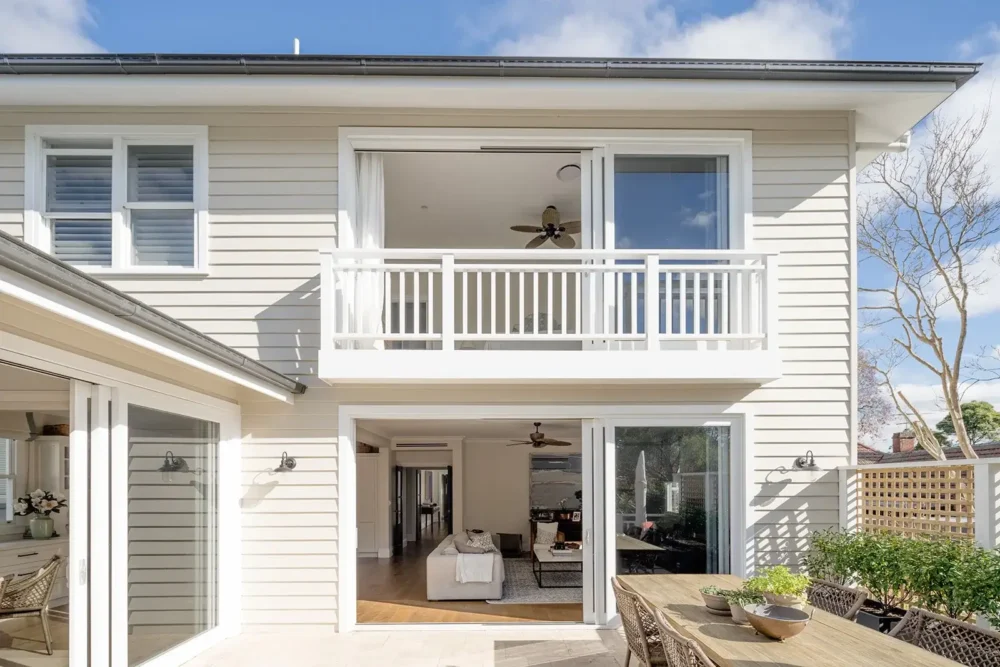
A home that will serve you well into the future considers wellness. One way to create a calming oasis is to design a dwelling that connects with nature. Dr Fiona Gray from Bioliving by Design says biophilic home design is far more than adding a few potted plants to a room. “It draws on nature’s patterns, processes, shapes and forms to create spaces that feel alive and harmonious,” she says. “It’s an approach that has been scientifically proven to have restorative effects, helping us relax, think more creatively, and feel more grounded in our daily lives.”
Biophilic design incorporates light, colours, natural forms, shapes and patterns found in nature. “Soft greens are known for their restorative properties, making them ideal for creating a tranquil living space,” she says. “Earthy tones, such as those found in natural timbers, convey a sense of stability and comfort, grounding the space and its occupants.”
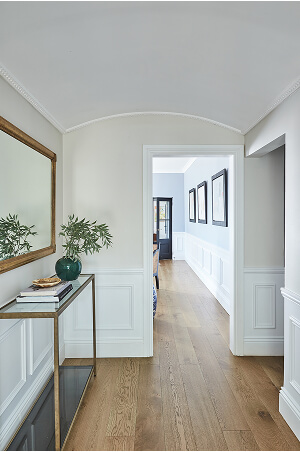
Fiona says layered lighting, and the colour temperature of light are also key. “Cooler tones replicate the crispness of morning light, while warmer hues evoke the golden glow of late afternoon. Try adding natural light through reflective surfaces like mirrors,” she suggests. “Features like pergolas, slatted screens or tree canopies can also introduce shifting, dappled light that mimics the way sunlight filters through leaves, adding a dynamic and natural quality to your space.”
Built to Last
A home that is built with the future in mind chooses quality over quantity. Spaces are artfully integrated. The size of the home allows a footprint where every square metre counts – it doesn’t waste space. Steven Hedger says quality reigns supreme. “It’s certainly something that clients are after on our builds. They want to walk into spaces and feel the sense of quality and warmth versus a big open space,” he says. “A quality home that is low maintenance and low energy cost is appealing and ensures clients can run their home well now and into the future.”
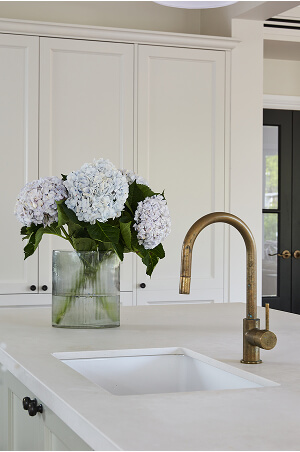
But that doesn’t mean skimping on style or focal points that create a unique home. “Forever homes need to have the wow factor,” adds Steven, “but in subtle ways like a stunning kitchen design, a feature fireplace, beautiful feature lighting, or a design that takes in spectacular views.”
Disaster-Proofing your Home
A house designed with future proofing in mind also needs to be resilient. With increasingly catastrophic whether events unfolding, designing and building a residence that can withstand temperature extremes as well as fierce winds, rain events and bushfire season makes good sense.
Reach out to local experts to ensure you are well equipped with knowledge before you buy your home or block of land. James says your local council is a major source of free information. “They have mapping that can show bushfire hazards and low-lying floodplain areas in the same way they have maps that show heritage conservation zones,” he says. “It’s important to note there are more rules and guidelines these days that are not optional – they are mandatory.”
If you are looking for a home that will go the distance, you need to do your due diligence. Talk to the town planner who is on duty. James says flooding and bushfire requirements are expensive and, if you are looking to build on an addition in future, this may not be possible in a way that will be sympathetic to the original home. “This could be because the original residence is too low and the whole thing needs to be built at a higher level, or it’s made of combustible materials that need to be changed,” he explains.
Family Matters
The dynamic of Australian households is changing, with more multi-generational families living together. Research from UNSW City Futures Research Centre shows one in five Australians live in a multi-generational household. Housing affordability is delaying the younger generations from getting a toehold on the housing ladder, so they’re living at home for longer. With advancements in health care, Australians are also living for longer and older generations are moving in with their children in their golden years.
With the right home design and layout, it is possible to create a series of harmonious spaces that cater to everyone’s needs. Some layouts are more conducive to harmonious multi-generational living because they allow for a sense of separation and privacy, as well as shared spaces where everyone can come together.
Adequate Storage
A home built to go the distance has plenty of storage. Built-in joinery can maximise storage efficiency and help a space to remain more organised. This can lead to flexible spaces to cater for work and play, young children and their toys and games, teens and sporting equipment, as well as retirees and their hobbies. Hidden compartments add a streamlined look to a space. Multiuse furniture allows for design and function versatility.
Ease of Access
Homes designed for the future are all about functionality, flexibility and adaptability. They cater for all ages and abilities. If you don’t have wide access to your front door, it is something to consider. Designing your home so you can navigate potential mobility and safety issues as a result of ageing means you can stay at home for longer. One-metre-wide doorways might cost more initially, but they can pay dividends in the long run. A step-free entry can make entering and exiting the home easier.
There are also aids to assist you to get from one floor to another. A stairlift – a sturdy chair fitted to the side of stairs – operates to move up and down stairs. An elevator to access different floors is another means to negotiate different levels in your home. This can be fitted externally or internally if space permits.
Ergonomic Design
Since the global pandemic, those in the burbs have begun creating a whole new lifestyle, living the dream of working from home. According to the ABS, in December 2024, 36 per cent of employed people were home-based. Even if you don’t work from home right now, future proofing your house means taking this into consideration when designing it. While the idea of sipping your morning coffee and flicking through social media with one eye on your laptop at the kitchen table might work for some, a home office setup that is functional and flexible will serve you better.
You might have a standalone office or custom-built joinery in a nook under the stairs, or even a bedroom that serves double duty as a guest suite and an office. Steven says home offices are very much in demand right now. “The days of working from the kitchen bench are well gone, and people regularly working from home now plays a big part in design,” he says. The traditional home office with small windows and a fold-out bed are now a thing of the past. “These days, clients want to create well-ventilated work-from-home spaces with good-size windows and a view, and possibly access to a deck, as well as more space and storage to allow both partners to work together.”